
After surfacing in the Thread registry months ago, IKEA has officially released the Dubbelkisel, a new LED driver designed to add smart control to the company’s integrated cabinet and wardrobe lighting. This release highlights the company’s commitment from moving away from Zigbee and towards Matter for its wide smart home range.
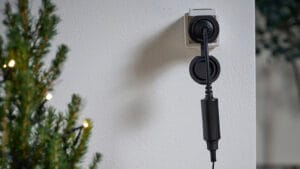
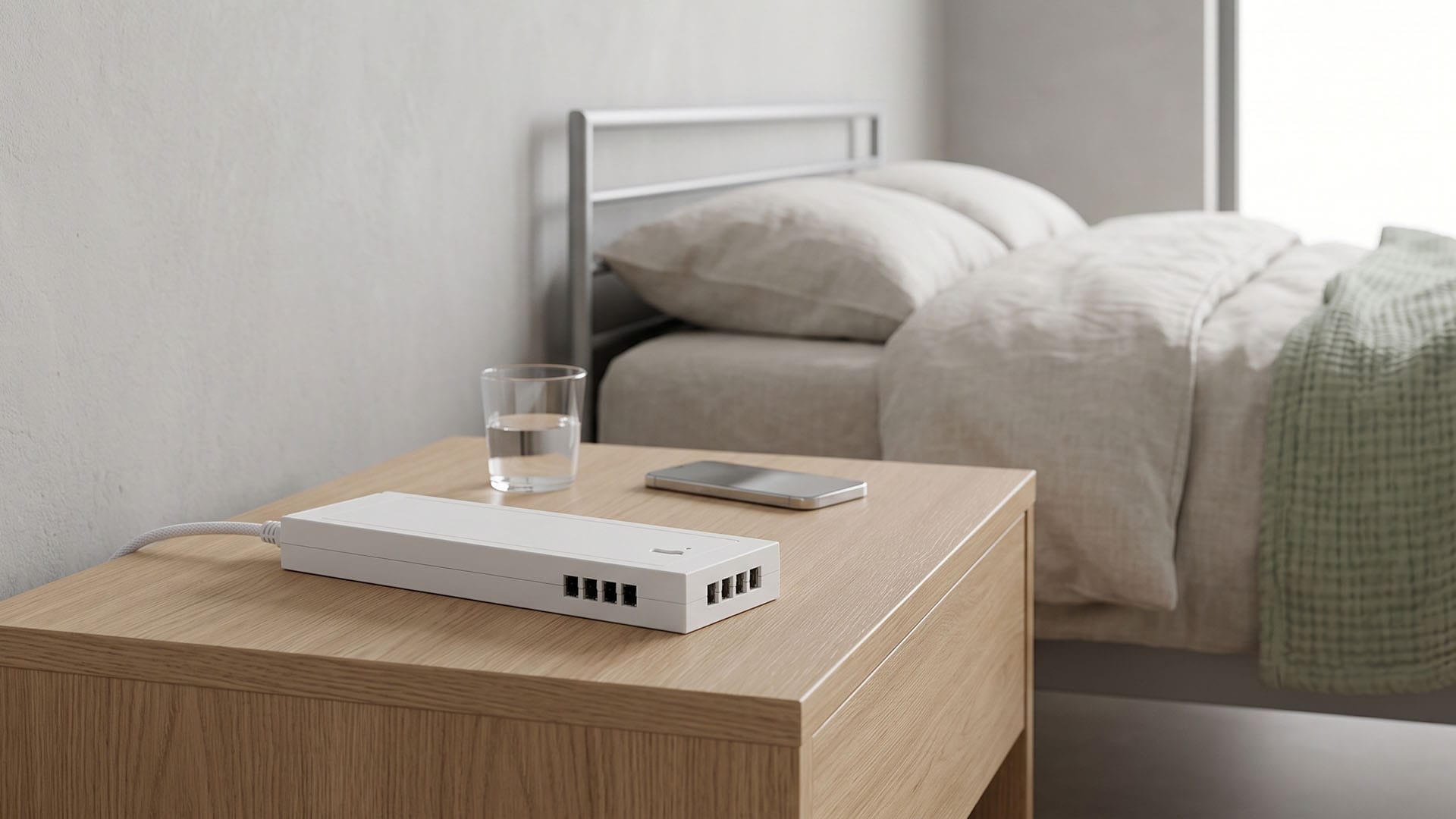
The 30W driver replaces the older Trådfri model, which used Zigbee as a communication protocol. Unlike its predecessor, Dubbelkisel uses Matter over Thread, allowing it to connect directly to smart home platforms without requiring IKEA’s Dirigera hub. This opens up new flexibility for users, particularly those with existing Thread networks built around Apple Home or other Matter-compatible ecosystems.
Thread Connectivity Without a Hub Requirement
For Apple Home users, the Dubbelkisel can now connect through Thread-enabled devices like HomePod mini, HomePod 2nd generation, or compatible Apple TV 4K models. The LED driver joins your home’s Thread network directly, communicating through Matter rather than relying on proprietary protocols. This is a meaningful change because it means IKEA’s lighting ecosystem becomes more interoperable with other brands and platforms.
Of course, IKEA’s Dirigera hub remains an option and provides additional functionality through the IKEA Home smart app. If you want access to IKEA-specific features or prefer centralizing everything through IKEA’s ecosystem, the hub is still worth having. The key difference is that it’s now optional rather than mandatory for basic control.
Practical Design and Capabilities
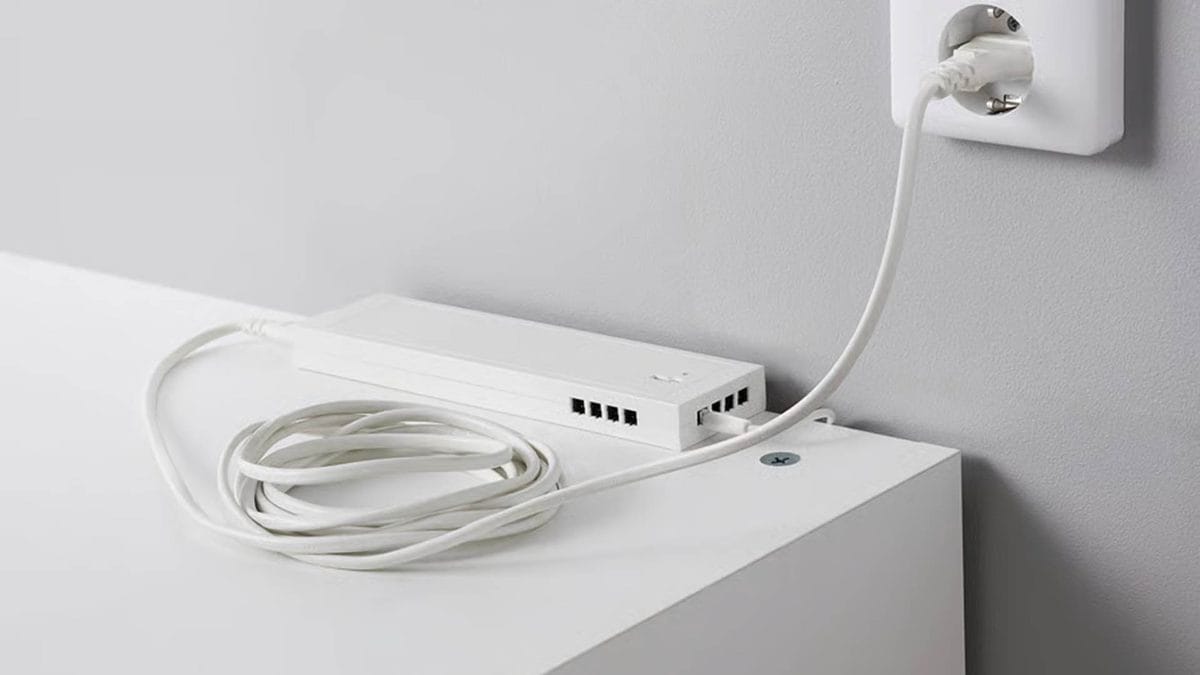
The hardware itself is straightforward and practical. The driver outputs 30W and can power up to eight lighting units simultaneously, as long as their combined power consumption doesn’t exceed the 30W limit. Multiple drivers can be installed in a single setup, with support for up to ten Dubbelkisel units working together. The device includes an overload warning that causes connected lights to flash if you exceed the maximum wattage, which is a nice safety feature.
Physically, it measures just 205 x 55 x 18mm and weighs 150 grams, making it easy to install inside a wardrobe or cupboard using two built-in mounting hooks. Power efficiency is rated at 90 percent under full load, and standby consumption sits below 0.35W. The driver requires a 220-240V mains supply and outputs 24V to connected lights.
Pricing and Availability
The Dubbelkisel is already available across European IKEA stores, priced competitively at around 18 to 22 euros depending on the market. Germany lists it at €22, while Portugal shows €17.99, and Sweden prices it at SEK 300. However, IKEA hasn’t yet announced release dates or pricing for UK and US markets.
One thing to note: the driver doesn’t ship with a mains power cable, so you’ll need to purchase IKEA’s Förnimma power supply cord separately, which costs around €6. Remote controls are also sold separately, though you can always control and automate the lighting through IKEA Home, Apple Home, or any compatible Matter platform.
What This Means for IKEA’s Smart Home Direction
This release forms part of a bigger picture. IKEA announced back in November 2025 that it was rebuilding its smart home range around Matter, starting with 21 new products across lights, sensors, remotes, and plugs. The Dubbelkisel represents the company’s commitment to that transition. Older Zigbee products aren’t being abandoned, mind you. The Dirigera hub can still act as a Matter bridge, allowing existing Trådfri devices to appear in platforms like Apple Home. But the new Matter-over-Thread approach is cleaner and removes that translation layer.
From a user perspective, this matters because it means better compatibility with other ecosystems and less dependence on IKEA’s own infrastructure. For me, watching manufacturers move away from proprietary protocols toward open standards like Matter is genuinely positive. It makes your home less fragmented and gives you more choices about which products and platforms to use together.