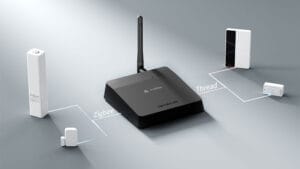

Aqara just released the Spatial Multi-Sensor FP400, the follow-up to their earlier FP300 presence sensor. This one takes things further by tracking up to ten people simultaneously in a room and breaking down their positions into specific zones. It supports both Thread and Zigbee, so it works with whatever protocol you’ve already got running.
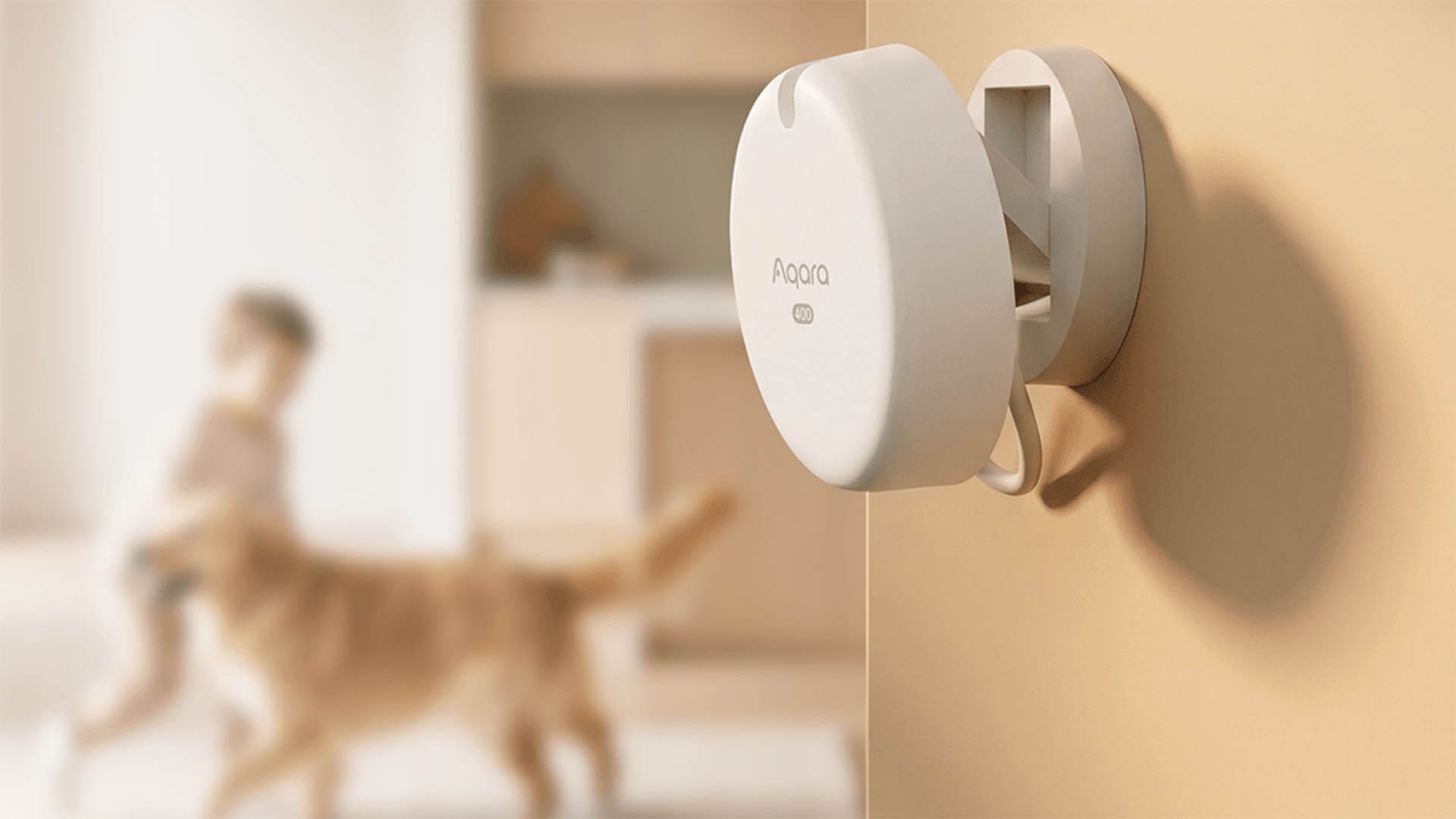
The FP400 uses 60GHz mmWave radar with a 120-degree field of view. It can cover an area up to 10 by 8 meters depending on how you mount it. Unlike basic motion sensors that just tell you whether something moved, this thing actually maps where people are and what zone they’re in. That opens up automations you couldn’t do before, like turning on lights only in the area where someone is actually sitting.
Usable Detection Zones
The sensor divides rooms into a grid of 0.5-meter sections, so you can create custom zones for detecting presence in different areas. You might have a seating area, a dining table, a desk, or an entrance, each tracked separately. Aqara also built in AI-assisted zone setup, meaning the sensor can look at your room layout, spot boundaries and doorways, and optimize the mmWave radar’s performance automatically.
The FP400 also reports how many people are actually in the room. This matters for short-term rentals or shared spaces where you need to know occupancy numbers. It includes an ambient light sensor too, so automations can consider both who’s in the room and how bright it is.
Thread Without a Hub
If you’re running Thread and don’t want to buy an Aqara hub, this sensor can work without one. You just need a compatible Thread Border Router like a HomePod mini or Apple TV 4K. Set it up in Aqara Home with a phone on the same network, configure your zones and sensitivity, then pair it to Matter. From that point on, third-party platforms see the occupancy data.
The Zigbee path is a bit more complicated. If you go Zigbee, you need an Aqara hub to bridge it into Matter. That hub handles the smarter features like custom zones and multi-person tracking. If you skip the hub and connect directly through Thread to a Matter controller, you get one basic occupancy sensor and nothing else. Aqara’s own documentation is a bit unclear on this, so it’s worth checking before you buy if you want the full feature set.
How It Compares to the FP2
The FP400 isn’t Aqara’s first attempt at a multi-sensor sensor like this one. The FP2 launched back in 2023 and was one of the first mmWave presence sensors to catch on outside enthusiast circles, and it’s still sitting in a lot of living rooms right now. It’s worth understanding what changed, because the differences aren’t just spec bumps.
The biggest difference is connectivity. The FP2 ran on Wi-Fi and Bluetooth only, with no Thread or Zigbee radio at all. That actually made it simple to set up: it worked directly with HomeKit, Alexa, Google Home, and Home Assistant without needing an Aqara hub in the middle. Matter wasn’t part of the launch package either, it showed up later through a firmware update.
The FP400 drops Wi-Fi entirely in favor of Thread and Zigbee, and while that opens the door to Matter and mesh reliability, it also brings the hub dependency back. If you want the full zone and multi-person features, you need one of Aqara’s supported hubs. Skip the hub and connect straight through Thread, and you’re left with a single whole-room occupancy sensor, similar to what the FP300 offered on its own out of the box.
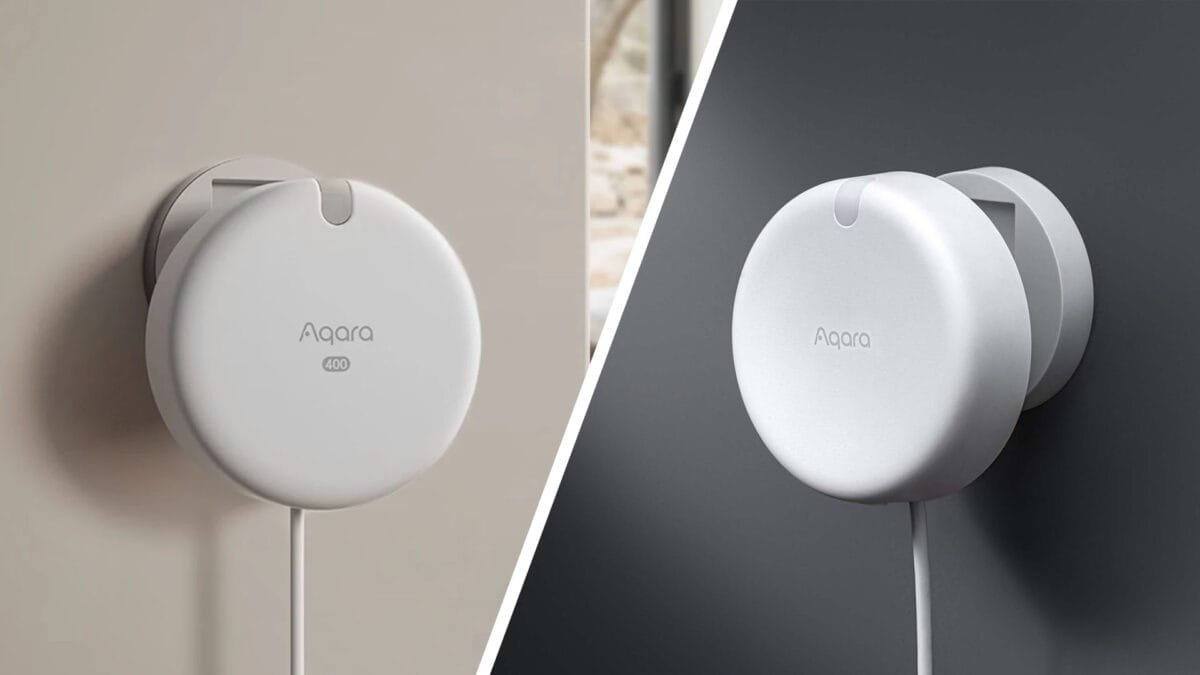
Physically, the two sensors are nearly identical. Same 64 by 64 by 29.5mm footprint, same 120-degree field of view, same IPX5 rating, same USB-C power. If you’ve already mounted an FP2 somewhere, an FP400 will sit in the same spot without any new bracket hunting.
Where they really separate is radar performance and what it enables. The FP2 covers up to 40 square meters, tracks 5 people, and lets you divide a room into as many as 30 zones. The FP400 covers more physical distance (up to 10 by 8 meters) and tracks twice as many people, but it caps out at 8 zones rather than 30. That’s a trade worth noting if you were relying on the FP2’s granular zone count for something like a large open-plan space. What you gain instead is a 60GHz radar with a 4T4R MIMO antenna array that Aqara says captures over 5 times the point-cloud density of the previous sensor, plus posture detection (sitting, standing, lying down) and a live headcount, neither of which the FP2 offered.
Real Automations It Can Do
You can build automations around specific zones. Like if someone sits on the sofa for 20 seconds and it’s evening, turn on ambient lighting and switch the AC to comfort mode. Or if the headcount goes above 4 people in a rental, send a notification to the property manager. The sensor handles false positives from pets and robot vacuums reasonably well thanks to their AI sensing, so you get fewer phantom triggers.
The FP400 measures 64 by 64 by 29.5mm and runs on 5V over USB-C. It carries an IPX5 water rating and works between minus 10 and 50°C. You can mount it on a wall, ceiling, corner, or even a lighting track with an adjustable angle. Sensitivity and absence confirmation time are both tunable through the Aqara app if you need to dial things in for your specific space.
The sensor is available now on Amazon in the US, UK, Germany, France, Spain, and Italy with a 10 percent discount using code AQARAFP400 through September 28. The Amazon version includes the USB-C cable, metal plate, and screw kit. If you go the retail version, you get an adjustable mounting bracket as well.