
The Open Home Foundation has rolled out a major update to how Home Assistant handles Matter devices. This new release completely replaces the old Python-based server with a brand-new architecture built entirely on Node.js and matter.js. While the update changes the core code running in the background, it targets the exact daily headaches smart home users face, like slow response times and network troubleshooting.
A Faster and More Secure Engine
The update arrives through Matter Server version 9.0, which acts as a direct replacement for the previous Python and C++ software. Instead of relying on the old foundation, Home Assistant now uses a TypeScript version of the smart home standard. For daily use, this means smart hardware reconnects much faster after a reboot, networks respond quicker to commands, and wireless software updates are far more stable.
Security also gets a boost during the pairing process. The new server checks hardware certificates more strictly when you add a new gadget to your home. It automatically blocks uncertified devices that use temporary test certificates, and it checks for revoked certificates to keep malicious hardware off your network. Home Assistant has also updated to the Matter 1.5.1 standard, which sets the groundwork for better support of newer device types like security cameras and doorbells.
Visual Mapping for Smart Home Networks
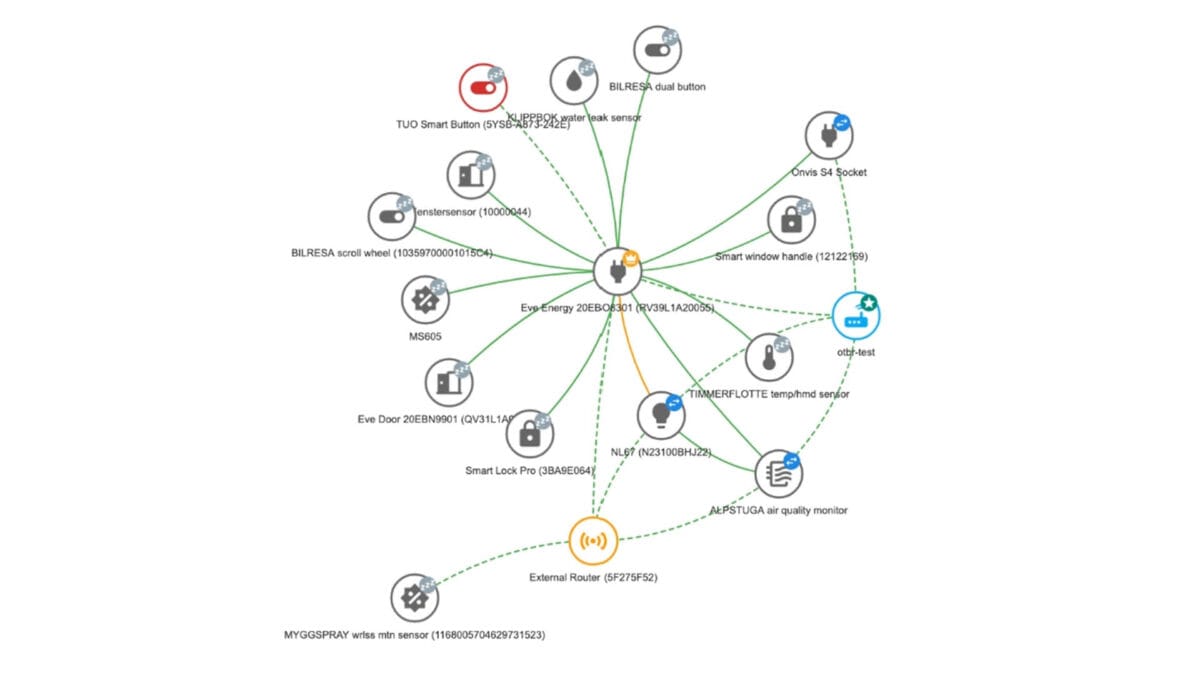
The standout addition to the web user interface is a live network map that takes the guesswork out of smart home troubleshooting. Since Thread devices dynamically choose how to route signals to each other, finding the source of a delayed command or a dropped connection used to be incredibly difficult.
The new visualization tool automatically draws a map of your entire Thread and Wi-Fi network. Every connected smart lock, light bulb, or sensor shows up as a visual point on the map, with clear icons indicating its role, such as whether a device is acting as a main router or a battery-saving sleepy node. Lines connect the devices to show how data moves through your home, and these lines are color-coded from green to red to show signal strength. This makes it simple to see if a specific smart plug is struggling because it is too far from a router.
Easy Data Migration for Users
Switching to the new system is designed to be a straightforward process. When users install the new server version, Home Assistant handles the data migration automatically on the first startup. All paired devices and configurations carry over directly without requiring a manual reset.
This update shows how much the ecosystem has grown, especially with Matter now running on over a third of all Home Assistant setups. Transitioning to this modern framework solves the immediate performance issues users have been dealing with, and it puts the platform in a great position to adopt the upcoming Matter 1.6 features without starting from scratch.